
The Double-Edged Sword of Gaming
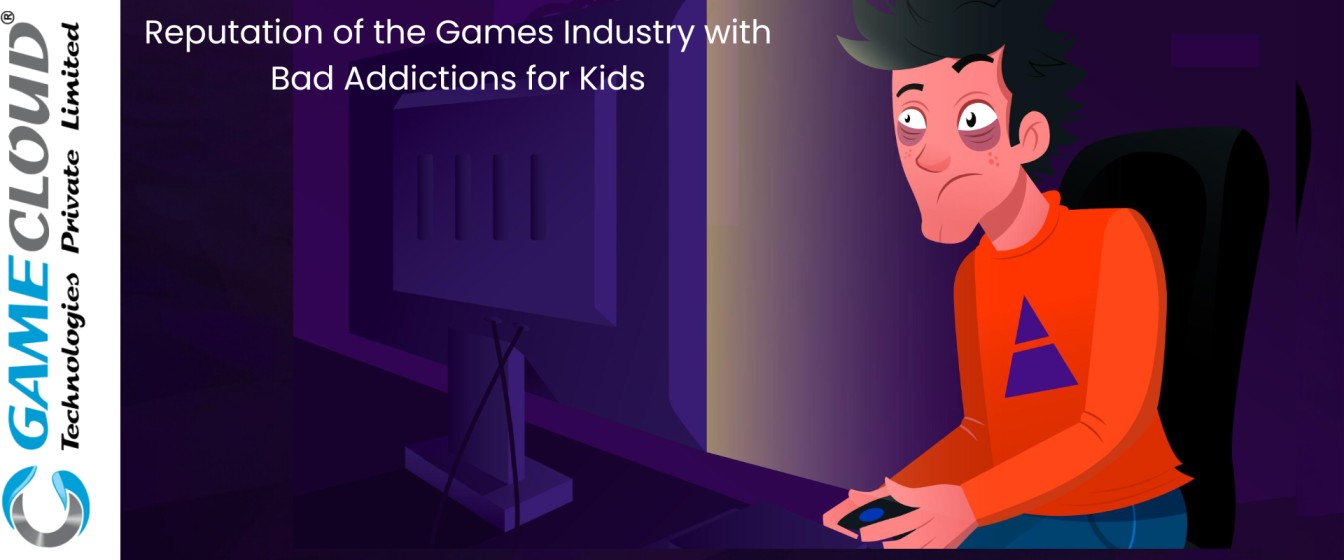
The gaming industry faces a PR problem regarding its impact on children. While games can be highly engaging and potentially valuable learning tools, concerns persist about gaming addiction, controversial monetization practices, and the effects of violent content on young players. Parents and educators worry that excessive screen time and gaming may negatively impact social skills, academic performance, and physical health. However, games that provide creativity, problem-solving, and social interaction can also benefit child development when played in moderation and with appropriate guidance.The Untapped Potential of Educational Games
Enter educational games: the unsung heroes of the gaming world. These games aim to harness the addictive qualities of gaming for good, turning screen time into learning time. But why aren't they more prevalent? Why hasn't the industry pivoted more strongly towards educational content? The truth is that creating compelling educational games is no easy feat. It requires a delicate balance of fun and learning, entertainment and instruction. Many early attempts at educational games were, let's be honest, about as exciting as a dusty textbook. But times are changing, and so are the games. The New Wave of Educational Gaming Today's educational games are light-years ahead of the clunky math and spelling games of yesteryear. They're leveraging cutting-edge technology and game design principles to create immersive learning experiences:- Virtual Reality (VR) Field Trips: Imagine students exploring ancient Rome, walking on the surface of Mars, or diving into the depths of the ocean - all from their classroom. VR educational games are making this a reality, providing vivid, unforgettable learning experiences.
- Coding Through Play: Games like "Human Resource Machine" and "Minecraft: Education Edition" are teaching kids programming concepts through engaging puzzles and world-building challenges. These games don't just teach coding; they ignite a passion for problem-solving and creative thinking.
- History Comes Alive: Strategy games like the "Civilization" series or "Assassin's Creed Discovery Tour" mode offer deep dives into historical periods, allowing players to experience the complexities of different cultures and eras firsthand.
- STEM Skill Building: Games like the "Kerbal Space Program" provide hands-on experience with physics and engineering concepts as players design and launch their spacecraft. It's rocket science made accessible and fun.
- Language Learning Adventures: Language learning apps like Duolingo have gamified the process of vocabulary acquisition and grammar practice, making daily language study addictive (in a good way).
The Cognitive Benefits: More Than Just Facts and Figures
The benefits of well-designed educational games extend far beyond mere knowledge acquisition. They can enhance:- Critical Thinking: Many games require players to analyze situations, make decisions, and solve complex problems.
- Creativity: Open-ended games encourage players to think outside the box and come up with innovative solutions.
- Collaboration: Multiplayer educational games teach teamwork and communication skills.
- Persistence: Games inherently teach players to learn from failure and keep trying - a crucial life skill.