
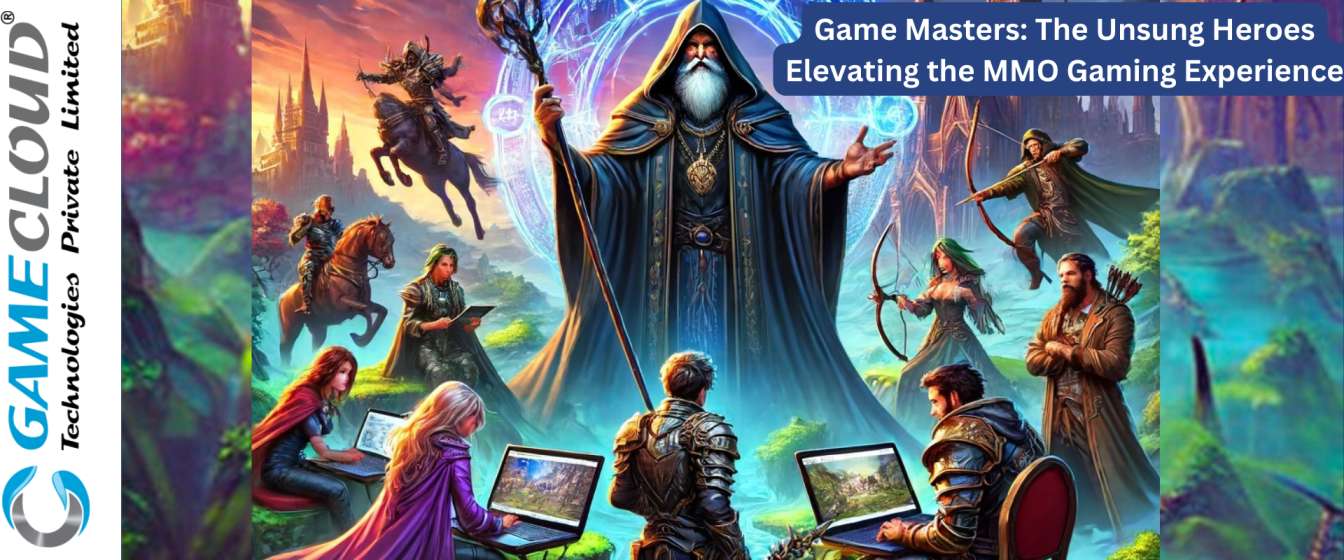
The Evolution of Game Masters
The role of game masters (GMs) in MMORPGs has evolved significantly over the years, adapting to the changing landscape of the gaming industry. In the early days, GMs were a visible presence in-game, hosting events and directly interacting with players to foster a sense of community and provide customer support. However, as the number of players grew exponentially, the role of GMs shifted to meet the demands of a larger player base.- The shift in the role of GMs is attributed to the challenges of training GMs at scale and the potential liability risks associated with having a large team of GMs with significant in-game powers.
- GMs today are often highly engaged community members with limited in-game abilities, emphasizing their importance in providing customer support and shaping the player experience within MMORPGs.
- The emergence of Player Experience Teams is noted as a potential trend in the gaming industry, combining the roles of community managers and customer support representatives to enhance in-game interactions and player engagement.
- The article also touches on the impact of the changing audience and the increased demand for support as player bases grow, leading to a reevaluation of the role of GMs in modern MMORPGs.
- The discussion provides insights into the current landscape of GMs in MMORPGs, shedding light on the challenges and adaptations faced by these unsung heroes in the dynamic world of online gaming.
How do game masters handle conflicts between players in an MMO?
To handle conflicts between players in an MMO, Game Masters (GMs) employ various strategies to maintain a positive gaming environment and resolve disputes effectively. Here are some key approaches based on the provided sources:- Encouraging Communication: GMs often emphasize the importance of open communication between players to address conflicts. By encouraging players to have out-of-character (OOC) conversations and discuss issues respectfully, GMs can facilitate conflict resolution.
- Establishing Boundaries: GMs may set clear boundaries and rules regarding player interactions to prevent conflicts from escalating. This can include guidelines on in-game actions, communication etiquette, and resolving disagreements constructively.
- Mediating Disputes: In situations where conflicts arise, GMs act as mediators to facilitate discussions and help players find common ground. By intervening when necessary and guiding players towards a resolution, GMs can prevent conflicts from disrupting the gaming experience.
- Promoting Roleplay and Narrative: GMs may use conflicts between characters as opportunities for storytelling and character development. By encouraging players to explore differences through roleplay and narrative progression, conflicts can lead to engaging storylines and character growth.
- Enforcing Rules of Game Servers: GMs ensure that players adhere to the game's rules and guidelines, as defined by the game developer and publisher. This includes monitoring and addressing any issues related to cheating, fraud, or other forms of misconduct.
- Preventing Cheating & Fraud: GMs actively work to prevent and address cheating and fraudulent activities within the game. This includes identifying and addressing exploits, investigating suspicious behavior, and taking appropriate actions to maintain a fair and balanced gaming environment.
- Conveying Genuine Issues to Developers/Decision Makers: GMs serve as a liaison between players and game developers, conveying genuine issues and concerns to the development team. This helps to ensure that player feedback is incorporated into game updates and improvements, enhancing the overall gaming experience.
The Current Landscape of Game Masters
Despite the changes in their role, GMs continue to play a vital part in the MMORPG experience. In some games, such as MO2, GMs are still actively involved in hosting events and interacting with players, providing a nostalgic feel for veteran gamers. In other games, like EverQuest, guides have taken on some of the responsibilities traditionally held by GMs, hosting events and providing support to players. The use of GMs also varies by game, with some titles, like Final Fantasy MMORPGs, employing GMs primarily for moderation and customer support, rather than in-game events. Here are key points regarding the current state of GMs in the MMORPG experience:- Continued Importance: Despite changes in their roles, GMs remain integral to the MMORPG experience, contributing to community engagement and player support.
The Emergence of Player Experience Teams
As the gaming industry continues to evolve, there is a growing trend towards the emergence of Player Experience Teams. These teams focus on in-game interactions, combining the roles of community managers and customer support representatives to create a more holistic approach to player engagement. This shift is driven by the unique advantage of MMORPGs, which allows for direct interaction with customers and the ability to shape the product experience through in-game interactions. The emergence of Player Experience Teams in the gaming industry signifies a significant shift towards a more comprehensive approach to player engagement within MMORPGs. Here are key points based on the provided sources:- Holistic Player Engagement: Player Experience Teams combine the roles of community managers and customer support representatives to provide a holistic approach to player engagement. By focusing on in-game interactions, these teams aim to enhance the overall player experience within MMORPGs.
- Direct Interaction with Customers: MMORPGs offer a unique advantage by allowing direct interaction with customers through in-game interactions. Player Experience Teams leverage this advantage to shape the product experience and foster a sense of community within the game environment.
- Community Management: Player Experience Teams play a crucial role in community management, fostering positive interactions among players, addressing concerns, and creating a welcoming and engaging gaming environment.
- Customer Support Integration: By integrating customer support functions into the player experience, these teams ensure that players receive timely assistance, guidance, and solutions to any issues they encounter while playing MMORPGs.
- Enhanced Player Retention: The focus on player engagement and support through Player Experience Teams contributes to enhanced player retention, as players feel valued, supported, and connected within the gaming community.
- Adaptation to Industry Evolution: The emergence of Player Experience Teams reflects the gaming industry's evolution towards a more player-centric approach, emphasizing the importance of direct interaction, community building, and personalized player experiences within MMORPGs.
Futuristic Trends and Predictions
Looking to the future, it is likely that the role of GMs will continue to evolve in response to changes in the gaming industry. With the rise of indie MMOs and crowdfunded releases, there may be a return to a more personalized approach to GMing, with a focus on community engagement and in-game events. Additionally, the use of technology, such as AI-powered tools, may become more prevalent in supporting GMs and enhancing the player experience. The gaming industry is poised for significant transformations in the coming years, driven by advancements in technology, changing player preferences, and the emergence of new trends. Here are some key futuristic trends and predictions that will shape the role of Game Masters (GMs) and the overall gaming experience:- Personalized Approach to GMing: With the rise of indie MMOs and crowdfunded releases, there may be a return to a more personalized approach to GMing, focusing on community engagement and in-game events. This shift towards smaller, more agile teams could lead to a more intimate and responsive gaming experience.
- AI-Powered Tools: The use of technology, such as AI-powered tools, is likely to become more prevalent in supporting GMs and enhancing the player experience. AI can help GMs manage tasks more efficiently, freeing them to focus on creative and community-building aspects of their role.
- Emergence of New Business Models: The rise of play-to-earn (P2E) models, which enable players to monetize their in-game activities and achievements, may lead to new revenue streams and business models for game developers. This could fundamentally change the way games are designed, marketed, and monetized.
- Decentralization and Blockchain Technology: The use of blockchain technology and decentralized protocols could revolutionize the gaming industry by empowering players with true digital ownership and control over their in-game /assets. This could lead to new forms of governance, ownership, and community-driven development in games.
- Immersive Technologies: The continued advancement of augmented reality (AR), virtual reality (VR), and mixed reality (MR) technologies will further enhance the gaming experience, providing players with more immersive and interactive environments.
- Generative AI and Dynamic Content: The use of generative AI could lead to more dynamic and responsive game content, allowing for a greater variety of gameplay experiences and more personalized interactions between players and the game world.